
Blog
Learn more about our products and stay updated with our news
Featured
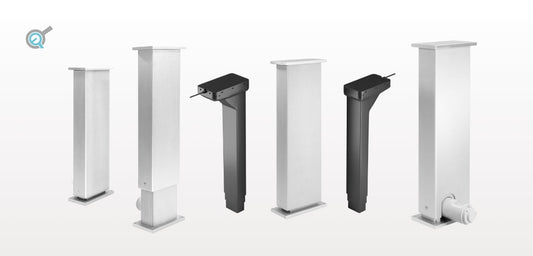
Introducing Our New Range of Modular Lifting Columns
In many applications, electric lifting columns are the perfect solution for driving linear motion...
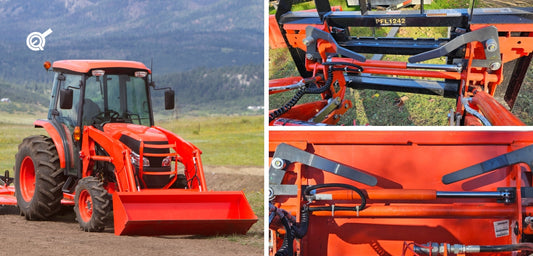
Tractor Front Loader Quick Release Locks by Chris Bolich
In agriculture, there are always new solutions being discovered and used to help boost efficiency...

High Load Linear Actuators PA-HD2 and PA-HD2-HALL Overview
Electric linear actuators are commonly found in demanding applications that require durable const...
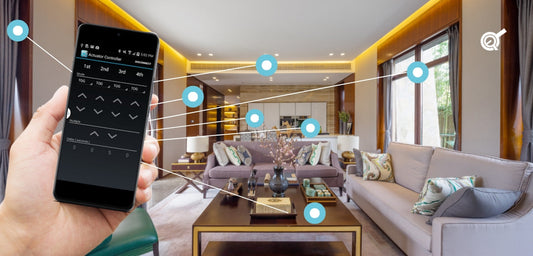
Furniture Actuators: Where To Find Them and How They Work
Linear actuators can be found in many different appliances and machinery, but one of the most pre...


Every electric linear actuator that leaves our Metro Vancouver facility has a story. It didn't start on a container ship or in an overseas warehouse — it started with a problem worth solving. Here's how a Canadian-made PA product gets from concept to your door.

Not all control boxes are created equal. Meet the PA-CB series — Canadian-designed actuator control boxes built for precision, reliability, and ease of use. Here's the full lineup and how to choose the right one for your application.

Automation used to be complicated, expensive, and out of reach for most people. Progressive Automations set out to change that — and 15 years later, Canadian innovation is still driving the future of easy, accessible motion control.

When you order from Progressive Automations, you're not just getting an electric linear actuator — you're getting a product built with Canadian accountability behind it. Here's what that means for you.


Learn about the PA-HD3A-HS Hall Heavy Duty Linear Actuator benefits, specs, and real-world applications in industrial, agricultural, and automation setups.


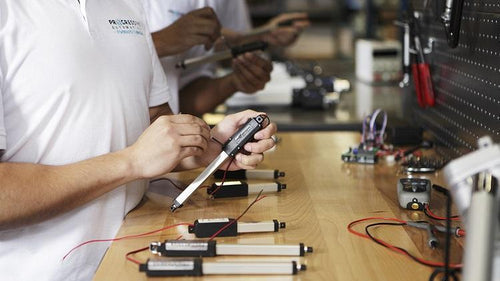

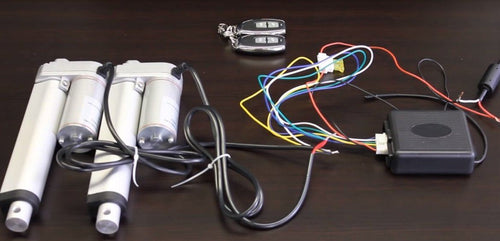


Compare hydraulic, pneumatic, and electric linear actuators. Learn their pros and cons, applications, and discover why electric actuators are the top choice.


Learn how the PA-HD3 actuator is used in industrial, agricultural, and rugged automation setups. Explore its benefits, specs, and real-world applications.

Learn how CU Hyperloop used PA-13 actuators to power their tunnel boring machine, achieving precision, safety, and success in the 2025 Not-A-Boring Competition.